
Promoting Sustainable Agricultural Practices with Digital Advisory Services

Project Overview
Globally, there are 500 million small-scale farmers who contribute 70% of the world's food supply. Despite this, many of these farmers experience chronic hunger and lack the vital information needed to enhance their harvests, income, and resilience to climate change. As public extension services decline, digital agricultural advisory services (DAS) present a promising avenue for equipping farmers with sustainable practices. However, DAS currently serves only a small percentage of smallholder farmers, with women and youth facing significant barriers to access.
The Challenge: Lack of efficient and gender-responsive digital agricultural advisory services for smallholder farmers.
AgriPath research seeks to identify, assess, and promote effective pathways for DAS that empower both female and male smallholders. This initiative aims to help farmers make informed decisions while sustainably increasing their agricultural productivity, income, and climate resilience through the adoption of sustainable farming practices.
AgriPath's studies provide country-specific insights into farmers' behaviors and the role of women in DAS, leading to the creation of an evidence-based toolkit designed to accelerate the integration of research findings by organizations implementing DAS.
Practical Applications
AgriPath effectively combines findings from action research into actionable strategies, with the goal of expanding sustainable agriculture by identifying, evaluating, and promoting digitally supported agricultural advisory services.
At the heart of AgriPath is a dedicated digital application – the farmbetter app. This app is collaboratively designed and tailored for users in target countries, featuring an algorithm that aligns farmers' needs with sustainable land management solutions.
When utilized alongside a Community-Based Agent (CBA) to educate and guide farmers, tools like the farmbetter app are paving the way for the future of sustainable land management.
Our mission is to empower smallholder farmers to make informed choices, boost their agricultural productivity, increase their income, and strengthen their climate resilience through the adoption of sustainable farming practices.
Because the world depends on farmers.
In this video, Sangeeta Devi, an extension agent (CBA) from Varanasi, India, shares how AgriPath's digital tools are helping her support her community, especially women, in adopting sustainable agricultural practices.
Approach - Investigating Digital Advisory Services (DAS) Models
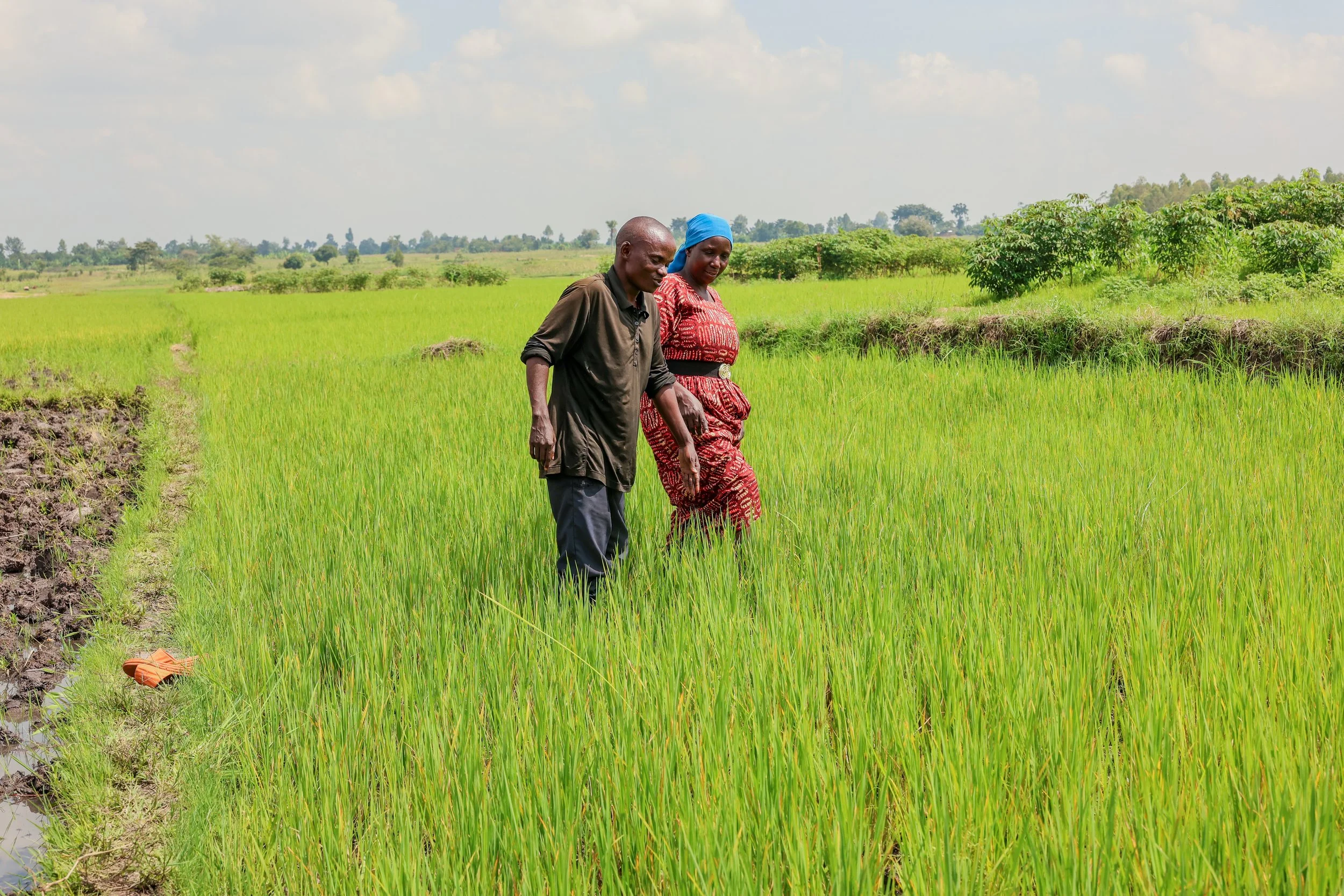
Randomized controlled trial studies conducted by consortium member ICiPE will explore three distinct models for delivering Digital Advisory Services (DAS) and their potential to inspire behavioral changes in the adoption of sustainable land management practices:
Self-Service Model: Farmers independently utilizing DAS.
Agent-Based Model: Extension agents working alongside farmers to implement DAS.
Hybrid Model: Farmers using DAS with the assistance of agents.
Additional Initiatives
AgriPath will also focus on:
Examining Factors Influencing DAS Adoption: A team of scientists from the University of Lausanne (HEC) will leverage behavioral science to understand the elements that encourage or impede the adoption of DAS among smallholders, particularly targeting youth and women. They plan to conduct online experiments, lab-in-the-field studies, and use machine learning to analyze focus group discussions, ensuring participant privacy while gaining valuable causal insights into the challenges of DAS adoption.
Adapting the farmbetter Advisory App to Local Contexts: The AgriPath research centers around a single digital application, the farmbetter app, which is utilized in various countries and integrated into different DAS models. This app acts as a constant proxy throughout the research process, allowing for manipulation of core features to derive causal insights that can be applied to other digital solutions. The farmbetter app leverages the extensive WOCAT Global SLM database, providing rich and actionable content on Sustainable Land Management (SLM).
Scaling DAS: The studies and experiments conducted by AgriPath will yield country-specific insights into farmer behaviors and the participation of women in DAS. Grameen Foundation will utilize the findings from the AgriPath project to create a scaling framework and an evidence-based toolkit aimed at accelerating the adoption of research findings among DAS actors. For instance, the AgriPath Toolkit will offer guidance on cost and content considerations when selecting a DAS delivery channel, as well as practical advice on making DAS more inclusive for women farmers. This toolkit for DAS actors will be shared globally to enhance the capacity of DAS providers in designing tailored, human-centered solutions and to assist stakeholders and neighboring countries in scaling sustainable agriculture through DAS.

The Toolkit - The Key To Scaling
The Toolkit is a resource designed to equip DAS stakeholders – particularly those seeking to scale smartphone-based DAS applications – with practical tools to strengthen extension agent networks and deliver scalable, sustainable digital advisory services for smallholder farmers, especially women.
The toolkit is grounded in research from the AgriPath project, which evaluated different models of delivering DAS to smallholder farmers.
Where Does AgriPath Work?
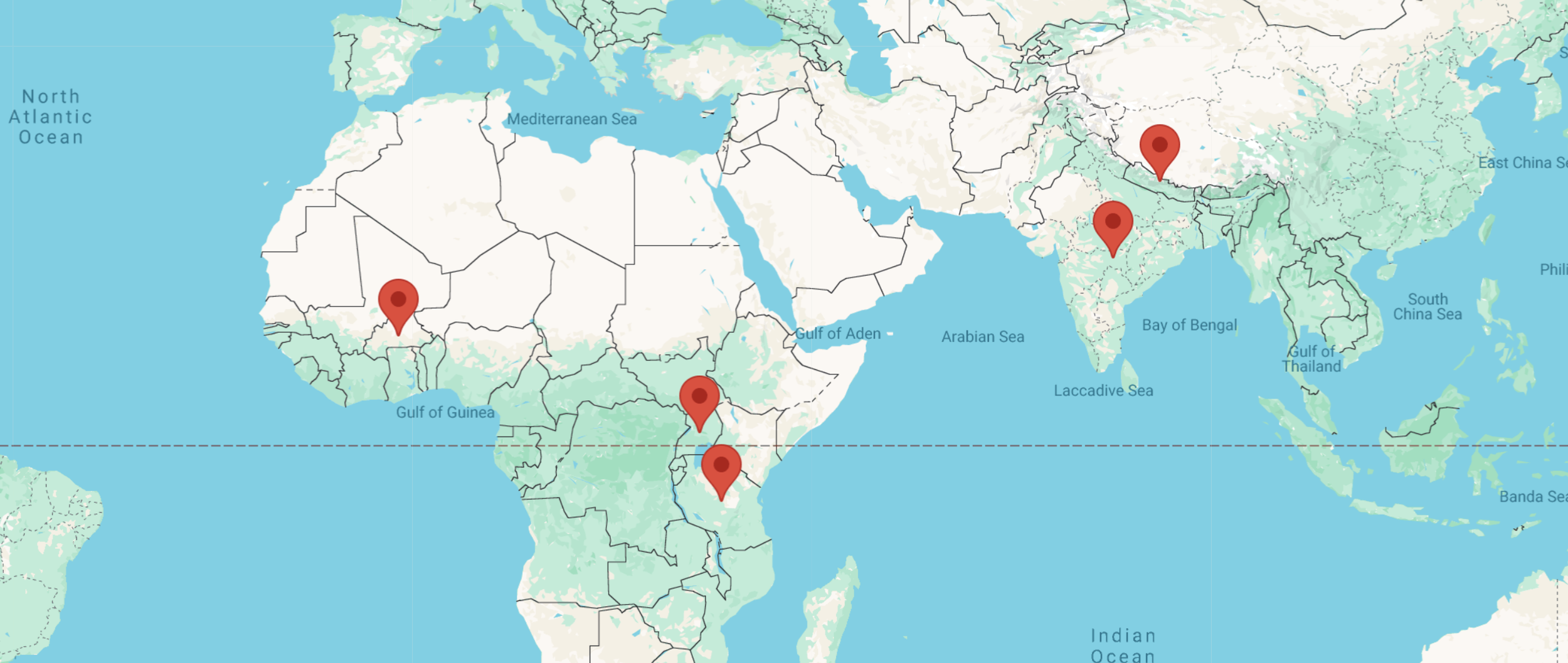
AgriPath’s primary beneficiaries will include 250 extension agents from public and private advisory services in five target countries in sub-Saharan Africa (Burkina Faso, Uganda, and Tanzania) and Asia (India and Nepal), and around 50,000 smallholder farmers, of which 20-30% are women.